



TEL

Search


In traditional underground pipeline construction, large-scale excavation and laying methods have always been the mainstream. However, this approach often causes traffic congestion, noise, and dust pollution due to extensive road-breaking operations, while inevitably damaging existing green spaces, greatly influencing residents' lives and the urban environment.
Is there a better solution?
Trenchless pipe technology has emerged to effectively address these issues by minimizing surface disruption. Among these technologies, HDPE pipes, with their excellent corrosion resistance, high strength, good sealing performance, and smooth inner wall, become an ideal and highly favored choice in trenchless pipe engineering.
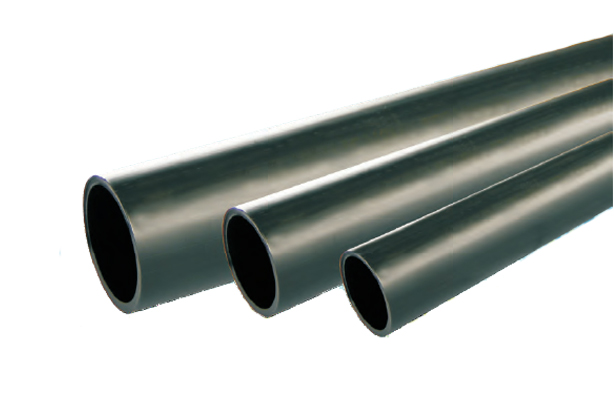
What advantages can HDPE trenchless pipelines bring? They primarily lie in economic, safety, and social benefits.
Traditional excavation construction requires large-scale excavation work, involving digging trenches followed by backfilling and compaction, which consumes significant manpower, machinery, and time.
On the flip side, trenchless pipe installation minimizes the need for long-distance digging, allowing for faster installations. This approach is widely adopted in underground pipe repair without digging, helping utility teams replace or install pipelines beneath roads and landscapes without open trenches.
By reducing the amount of excavation needed, trenchless HDPE pipe installation lowers construction costs.
First, it significantly reduces the costs associated with earth transportation, purchasing backfill materials, and road surface restoration. Plus, HDPE pipes are lightweight and easy to connect, allowing for rapid construction. In many municipal projects, trenchless pipe repair is now a preferred option.
Traditional excavation methods come with potential risks, such as ground collapses or unexpected settlement. These risks are even more significant in urban areas, where underground infrastructure and utilities complicate digging.
With trenchless technology, the need for large open trenches is removed, significantly reducing the likelihood of accidents and damage to nearby structures.
It’s the most intuitive advantage of trenchless pipes. They protect the integrity of the surface area by reducing the need for digging. Roads, sidewalks, parks, and other green spaces remain undisturbed, which ensures that the natural landscape and urban infrastructure are preserved.
Trenchless techniques for HDPE pipes include horizontal directional drilling (HDD), pipe bursting, and slip lining. All these methods for underground pipe repair without digging serve different needs:
Horizontal Directional Drilling (HDD) involves:
l Using a directional drilling rig to create a small pilot hole underground along the desired path.
l The hole is then progressively enlarged by passing larger drill bits (reamers) through it to accommodate the pipe.
l A pipe is then pulled through the hole to connect with the main pipeline.
HDD is ideal for projects that require crossing obstacles such as rivers, roads, or railways, and it is highly efficient in urban environments where minimizing disturbance is key.
HDPE trenchless pipes possess excellent flexibility and tensile strength, enabling them to adapt well to the curvature of the hole trajectory and withstand sufficient pulling force during the pull-back process.
Pipe bursting is used to renew buried pipelines without open excavation.
The process begins by inserting a specially shaped head into the existing line. As it moves forward, the old pipe is fractured outward, creating space for a new HDPE pipe that is pulled in directly behind it.
This method allows contractors to upgrade or replace deteriorated pipelines quickly, serving as a reliable choice for underground pipe repair without digging.
HDPE pipes are commonly used in pipe bursting methods. Their exceptional impact resistance and tensile strength enable them to withstand the pulling forces during the pipe bursting process and the compression from surrounding soil debris.
Slip lining is another trenchless HDPE pipe laying method where a smaller diameter HDPE pipe is inserted into an existing, deteriorating pipe. The new pipe is pulled or pushed into place, providing an effective rehabilitation solution for old systems.
Slip lining helps extend the life of aging pipelines and is often used in sewage and water supply networks.
Although the smaller diameter of the new pipe may lead to a certain reduction in water flow, the exceptionally smooth inner wall of HDPE pipes can partially compensate for this loss. Moreover, their performance significantly extends the overall lifespan of the pipeline.
The success of trenchless engineering largely depends on the performance of the pipes. If you are considering investing in plastic pipes, LESSO HDPE trenchless pipes are specifically designed for this application.
Key features include:
l Available Length: 12m or other length upon request
l Performance: Resistant to corrosion, high tensile and compressive strength, high toughness, and not prone to aging, making them suitable for sewage and industrial wastewater systems.
l Efficiency: Smooth internal surface with low friction factor allows steady fluid flow and minimizes blockage risks.
l Ease of Installation: Lightweight design simplifies handling, transport, and trenchless installation while minimizing liquid penetration.
l Applications: Used for municipal drainage, rainwater discharge, floodwater control, irrigation systems, and industrial waste pipelines.
Trenchless technology has made pipe construction faster and less disruptive. HDPE pipes are key to this progress. Their strength, corrosion resistance, and flexibility make them ideal for underground installations.
LESSO HDPE pipe range offers reliable options for drainage systems. With durable materials, smooth interiors, and compliance with international standards, these pipes deliver long-lasting performance. Contact us now for a customized solution!