



TEL

Search


When the drainage outlet flows slowly, water pooling appears in the yard even on non-rainy days, or persistent unpleasant odors both indoors and outdoors, these issues can point to a damaged or clogged sewer line that requires replacement.
How much does sewer line replacement cost? It may be the issue of greatest concern for both homeowners and companies.
This article will break down the sewer line replacement cost, factors affecting it, and cost-saving methods. Read on to learn more.
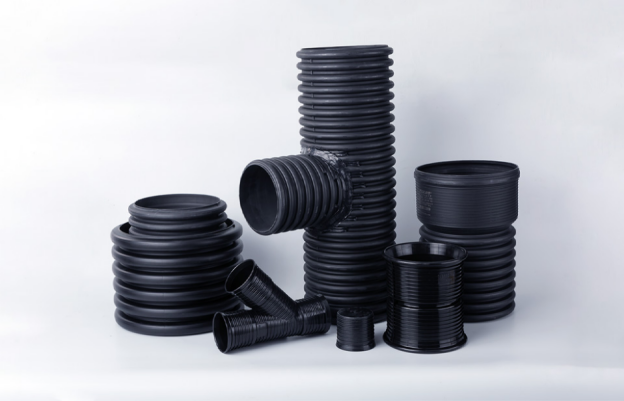
The overall cost of replacing sewer pipes is shaped by several factors. Here is the breakdown of the total cost.
l PVC Pipes: A cost-effective option. They offer good corrosion resistance and are easy to install, making them a mainstream choice for most replacement projects.
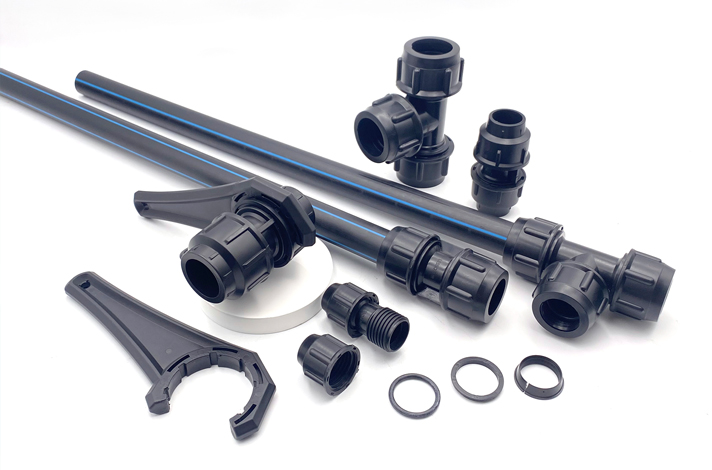
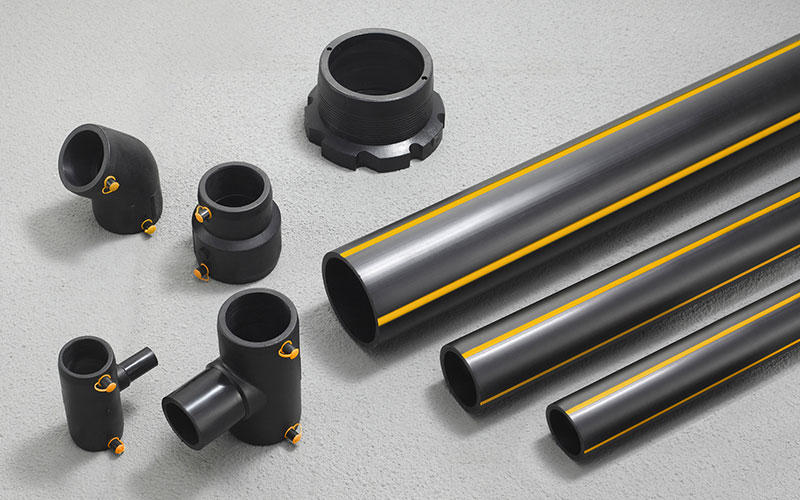
l HDPE Pipes: Priced higher than PVC pipes, they excel in flexibility, impact resistance, and chemical corrosion resistance, making them particularly suitable for trenchless construction.
l Cast Iron Pipes: Traditional and durable, but come with high costs. They are extremely sturdy and provide excellent noise insulation, yet they are heavy and involve high installation expenses.
l Copper Pipes: The most expensive option, but they are durable and easy to replace.
Longer pipe runs require more material and labor, and larger diameters needed for higher flow capacity will also raise the cost substantially. That is why accurate measurement is important before deciding to replace sewer lines in order to get the correct cost estimate.
Buried pipes that are deep underground, under driveways, or beneath buildings are more difficult to access and replace. This increases both labor intensity and cost. If your existing pipes are easier to reach, it will naturally cost less.
Traditional excavation is suitable for shallow, short-distance pipelines with no surface obstructions and offers lower costs. However, it requires significant labor and machinery for excavation and backfilling, as well as post-construction ground restoration costs such as repaving tiles and rehabilitating lawns.
Trenchless methods like directional drilling or pipe bursting minimize surface disruption, eliminating the need for large-scale excavation and restoration while reducing interference with daily life and the environment. Their quotes are typically higher than those for simple excavation, so they prove more economical in complex scenarios.
Most municipalities also require you to obtain necessary permits for sewer work, along with inspections before, during, and after the job. These administrative costs vary by region and should be factored into your budget early.
Labor, equipment use, and restoration work all add to the total cost.
l Labor costs: Determined based on project complexity, duration, and regional labor rates.
l Equipment rental fees: Including excavators, compactors, and trenchless specialized equipment.
l Restoration: Costs for backfill sand and gravel, connection fittings, as well as disposal of excavated soil and old pipes.
Reducing the financial burden of sewer line replacement costs requires strategic choices at every stage. How to minimize the cost of replacing drainage pipes? You can:
Modern trenchless techniques, such as pipe bursting or directional drilling, can significantly cut costs associated with excavation and surface restoration.
Though the upfront trenchless sewer line replacement cost may appear higher, these methods reduce labor hours and eliminate the need for major landscaping repairs.
Comparing detailed estimates from at least three licensed contractors helps ensure competitive pricing. It also gives you a better understanding of market rates, project scope, and service quality, helping you avoid higher bills.
Before moving forward with replacement, review your homeowner’s policy to check if it provides any coverage for underground pipe damage. It is also wise to confirm if the contractor offers a warranty on materials or workmanship, which can protect you from future repair costs.
If the damage is localized or the pipe condition allows, targeted repairs or partial replacements can delay a complete overhaul. Catching issues early through inspection may allow cost-effective fixes before structural failure occurs.
Routine cleaning and inspections help detect clogs, cracks, and root intrusion before they escalate. Preventive maintenance keeps the system in good working order and avoids emergency repairs, which tend to be more expensive.
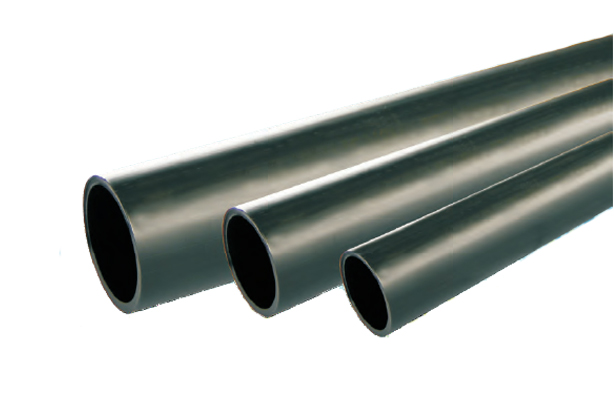
Before starting the pipe replacement work, selecting a long-lasting and reliable drainage pipe material can fundamentally reduce maintenance frequency and hassles.
LESSO drainage pipes offer a smart and proven solution. Designed to meet the needs of commercial, residential, and municipal drainage systems. They come with:
● Good performance: High strength, toughness, and corrosion resistance
● Easy installation: The plastic pipes are lightweight, which facilitates transportation and installation.
● Long service life: Designed to last over 50 years with proper use and maintenance.
● Recyclable: Some drainage pipes can be recycled and reused.
We offer competitive quotes for large projects and support product specification customization.
Sewer line replacement can take a toll on your pocket, but understanding the contributing cost factors helps you make informed decisions. From pipe material to installation method, each aspect affects the final estimate.
For durable and efficient drainage solutions, LESSO drainage pipes stand out with their long service life and good performance. Contact us now for detailed cost information!