



TEL

Search


A gas pipe leak is a silent and invisible threat that can have devastating consequences. Many fire, explosion, and carbon monoxide poisoning incidents are caused by gas pipe leaks.
While utility companies add a distinctive "rotten egg" smell to natural gas for easy detection, small or underground leaks can often go unnoticed by smell alone.
So, what are the reliable methods for identifying a potential gas pipe leak before it escalates? This guide provides clear, actionable steps for safety.
Detecting a leak early is the best way to prevent a disaster. Natural gas and methane are naturally colorless and odorless, but there are several "red flags" that can alert you to a problem.
l Unusual Odor: The most common sign is a pungent, sulfur scent often described as rotten eggs or dirty socks. This is a deliberate additive. If you catch this in a specific room, test for gas leak issues immediately.
l A Hissing Sound: Large leaks often produce an audible hissing or whistling sound, especially near connections, valves, or the gas meter. This happens as pressurized gas escapes through a small crack or loose fitting.
l Abnormal Gas Appliances: If your gas stove is acting strangely, for example, a gas stove flame with yellow or orange flames instead of blue, or pilots that frequently blow out, can signal improper gas combustion or pressure issues.
l Dying Vegetation: Unexpectedly dead or discolored patches of grass or plants near an underground gas line route can indicate a leak affecting the soil. It’s because natural gas displaces oxygen in the soil, suffocating plant roots.
l Abnormal Gas Meter Readings: If your gas bill spikes unexpectedly without a change in usage habits or the meter dial continues to spin even when all gas appliances are turned off, check the gas line for leaks immediately.
l Bubbles in Nearby Stagnant Water: Escaping gas rising through wet soil or water will create a persistent bubbling effect. This indicates outdoor pipe failure.
If you suspect a minor issue, you can perform preliminary checks. However, always prioritize safety; if the smell is strong, skip the DIY tests and evacuate.
Here is how to test for gas leaks using three common methods.
This is a reliable, low-tech way to test for gas leak locations at pipe joints and valves.
l Step 1: Mix a tablespoon of dish soap with a cup of water.
l Step 2: Using a brush or a spray bottle, apply the solution to the suspected area, specifically around connectors, nuts, and valves.
l Step 3: If a gas pipe leak is present, the escaping gas will create large, growing bubbles in the soapy film.
l Step 4: Wipe the area clean after testing to prevent any long-term corrosion.
For a more technical approach, you can use a handheld electronic gas leak detector.
l Step 1: Turn on the device in the same room as the gas leak to calibrate it.
l Step 2: Slowly move the sensor tip along the gas pipes and joints.
l Step 3: The device will trigger an alarm or show a digital reading if it detects combustible gases.
This method helps confirm if a leak exists somewhere in the entire house gas system.
l Step 1: Turn off every gas-consuming appliance in the house (stoves, water heaters, furnaces).
l Step 2: Go to your gas meter and record the current reading or the position of the dial.
l Step 3: Wait several minutes. If the numbers have changed, you have a gas pipe leak that requires immediate professional attention.
Understanding why a gas pipe leak occurs can help you take preventative measures. Gas systems are under constant pressure and are subject to environmental stressors.
l Aging or Damage to Gas Pipes: Older metal pipes are prone to corrosion over decades. Rust thins the pipe walls until pinhole leaks develop.
l Improper Installation of Gas Pipes: If pipes were not joined correctly or if the wrong sealants were used during construction, the system is easy to fail.
l Failed Seal at Joints: The gas pipe joints are the weakest links. Over time, vibrations from the house or ground settling can loosen these joints.
l Valve Malfunctions: Control valves can wear out. The internal seals may dry out or crack, allowing gas to seep through when the valve is supposedly "off."
l External Force Damage: This is common with outdoor or underground pipes. Gardening or construction can crush or puncture a gas line.
Knowing how to find a gas leak is only half the battle; knowing how to react is what saves lives. Learn the following steps for preparation:
l Immediate Safety Measures: If the main shut-off valve is outside and you can safely access it, turn it to the "off" position. Open all windows and doors to ventilate the area. Immediately evacuate everyone from the building.
l Avoid Technology: Do NOT operate light switches, electrical appliances, or unplug anything. Do not use phones, lighters, or anything that could create a spark inside the building.
l Call for Help: Once you are at a safe distance, call your local gas utility’s emergency line.
Note: Absolutely do not attempt major gas pipe repairs on your own. Gas systems require licensed technicians who understand pressure regulation and local building codes.

When it comes to gas safety, the material of your piping system is your first line of defense. For any gas pipe leak due to aging or corrosion, it is time to upgrade to a modern, more resilient solution.
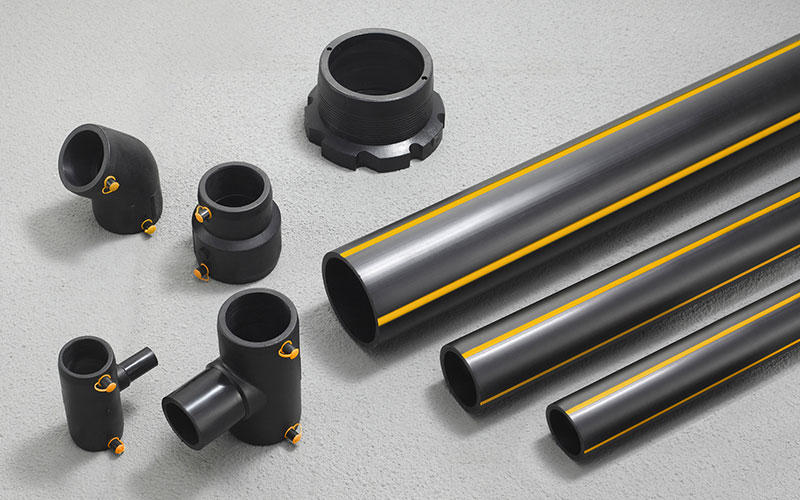
LESSO is an expert plastic pipe supplier, offering high-performance PE gas pipes:
l Durable PE 80 or PE 100 material ensures long-term corrosion resistance.
l Pressure rating up to 0.7MPa supports household and commercial gas supply.
l Multiple sizes from 20mm to 450mm accommodate diverse installation needs.
l Can be supplied in coil.
Contact LESSO now if you have any pipe needs!
A house gas leak smell is a serious matter that requires swift action and reliable prevention. It’s significant to stay vigilant for odors and sounds, and use high-quality materials like LESSO PE gas pipes. If you suspect a leak, prioritize evacuation and professional pipe repair to ensure the safety of your household.