



TEL

Search


Think about your fields or the city green spaces. Are you losing precious water to evaporation, runoff, and uneven distribution? Traditional methods like flood and furrow irrigation can waste a large amount of water intended for your crops or landscapes.
As awareness of environmental protection grows, many farmers are gradually shifting to pipe irrigation methods. It offers a precise, controlled alternative, representing the solution for achieving efficient, sustainable, and intelligent agricultural development.
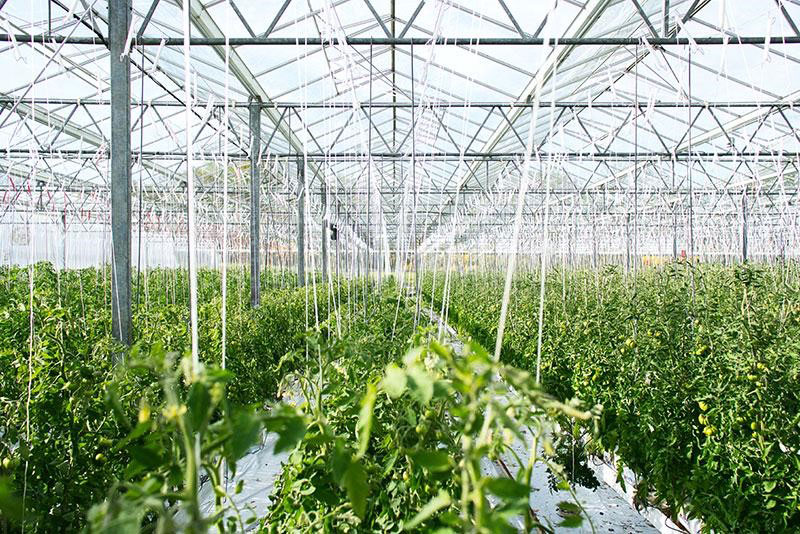
To understand the benefits, it is essential to first recognize the two primary forms of pipe irrigation widely used in modern agriculture.
Drip irrigation is a localized irrigation technique that delivers water and nutrients slowly, evenly, and directly to the soil near the crop roots in the form of water droplets through an orifice or dripper installed on capillary tubes.
It relies on a high-quality pipe irrigation system, typically using flexible PE pipes, to minimize evaporation.
Drip irrigation is ideal for orchards, row crops, vineyards, and garden beds.
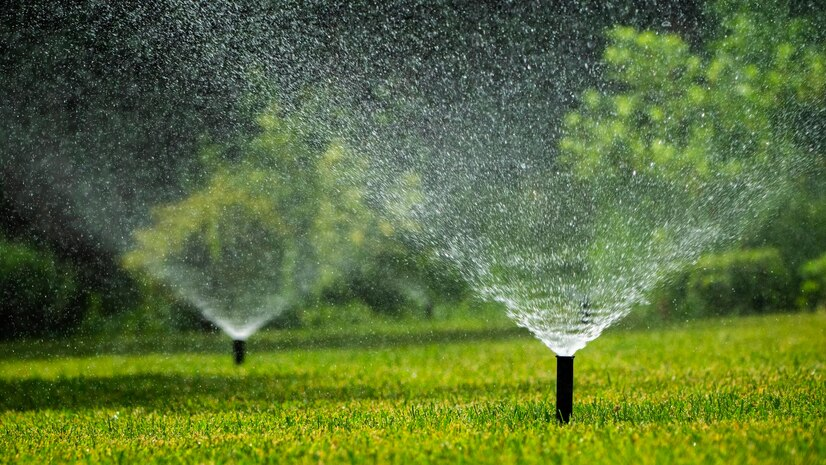
Sprinkler irrigation mimics natural rainfall. Water is distributed through a pipe network, usually by pumping, and is then sprayed into the air through sprinklers. After that, it breaks up into small water drops, which fall to the ground.
The effectiveness of this system depends largely on the durability of the sprinkler pipe network. Modern setups often use PVC or PE pipes that can withstand the pressure required to cover large areas of land evenly.
Sprinkler irrigation is excellent for uniform coverage of lawns, pastures, and close-growing crops.
Implementing a pipe irrigation infrastructure transforms agricultural operations. Its advantages can be categorized into five core areas.
The most immediate benefit of a pipe irrigation setup is the drastic reduction in water loss. Traditional earthen canals can lose some amount of water through seepage and evaporation before it even reaches the field.
l Direct Supply: A closed pipe for an irrigation system eliminates evaporation losses during transport and prevents leakage into non-target soil areas.
l Precise irrigation: These systems allow farmers to control the flow rate, timing, and frequency of watering. For water-scarce regions, this precision is vital.
Pipe irrigation supports superior plant health by creating a stable growing environment.
l Uniform and Controllable Water Distribution: Unlike flood irrigation, which often leaves some crops waterlogged and others dry, a pipe irrigation system ensures every plant receives the same amount of water.
l Enhanced Nutrient absorption: These systems are perfect for fertigation (The process of injecting fertilizers directly into the water supply). This ensures nutrients are delivered straight to the root zone, boosting absorption rates.
l Disease Reduction: Drip irrigation keeps the foliage dry, significantly reducing the incidence of fungal diseases that thrive on wet leaves.
While the initial investment for an agricultural irrigation pipe network may be higher than digging a ditch, the long-term economic benefits are substantial.
l Resource Efficiency: By reducing water usage, farmers significantly lower their water bills and pumping energy costs.
l Labor Reduction: Modern pipe irrigation is highly compatible with automation. Smart control systems can automatically regulate valves, drastically reducing the need for manual watering.
A pipe for an irrigation system offers versatility that open canals cannot match.
l Scalability: Whether for a small vegetable garden or a massive commercial farm, the system can be scaled using different pipe diameters and layouts.
l Terrain Adaptability: Gravity-fed canals require specific slopes and flat land. In contrast, pipe irrigation operates under pressure, meaning it can effectively irrigate undulating, hilly, or uneven terrain where traditional methods would fail.
Sustainability is a key advantage of switching to pipe irrigation.
l Erosion Control: Flood irrigation often washes away topsoil and degrades land quality. Piped water delivery is gentle and controlled, preserving soil structure.
l Reduced Runoff: By eliminating excessive runoff, these systems prevent fertilizers and pesticides from washing into local water bodies, protecting the surrounding ecosystem.
l Land Conservation: Pipes do not occupy productive land, whereas open canals cut through fields and reduce the plantable area.
To maximize the benefits listed above, the quality of the agricultural irrigation pipe used is critical. This is where LESSO excels.
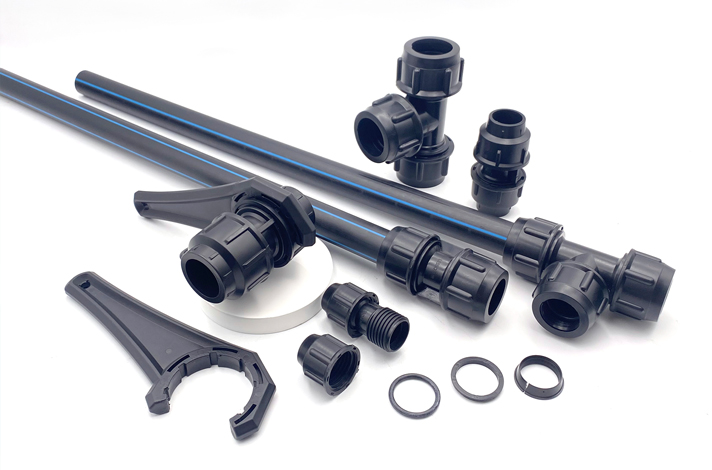
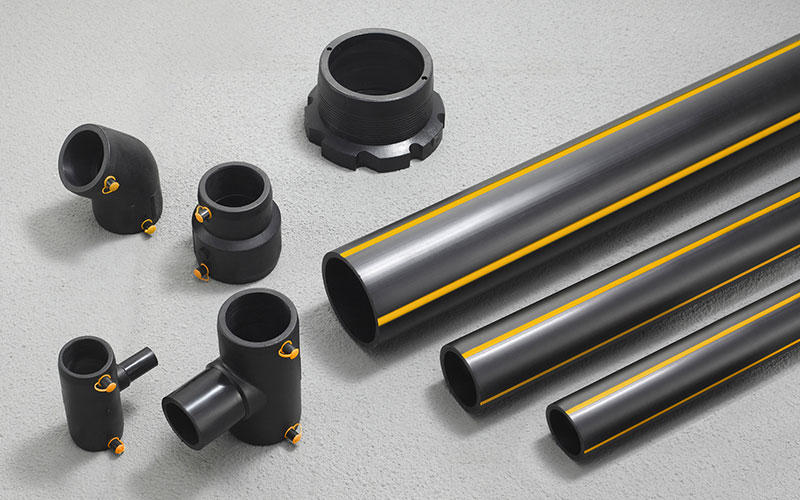
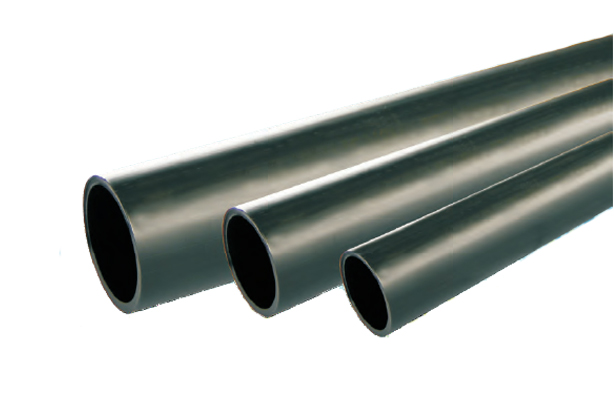
For drip or sprinkler systems and undulating terrain, LESSO’s agricultural pipes provide excellent flexibility. They are corrosion-resistant, ensuring that fertilizers and chemicals do not degrade the pipe wall over time.
They also feature smooth inner walls that reduce fluid resistance and pumping energy. Available in a wide range of specifications (from small diameters for laterals to large headers), they ensure a leak-free, long-lasting pipe irrigation network.
All of our pipes are engineered to last over 50 years, ensuring your farm remains productive for generations.
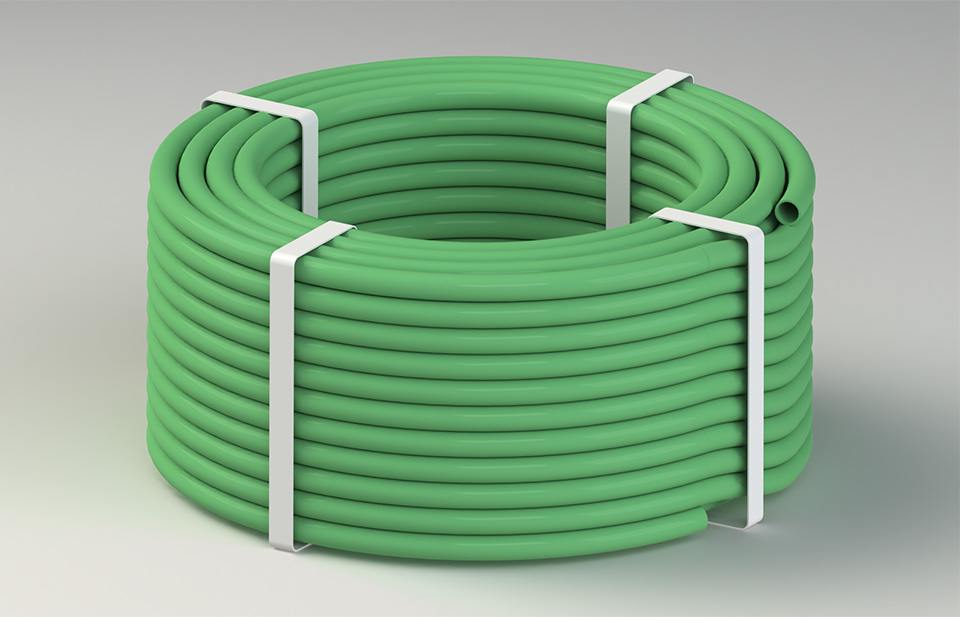
Adopting pipe irrigation, such as drip and sprinkler systems, transforms farming by boosting yields, conserving water, and reducing operational costs. For reliable infrastructure, choosing high-quality components is crucial.
LESSO provides the durable agricultural irrigation pipe solutions needed to build a sustainable future. Upgrade your system today for superior efficiency and harvest quality!