




Back
Search
Plastic Pipe Guide Plastic Pipe Guide
Professional Plastic Pipe Manufacturer

Plastic plumbing pipe is now common in modern buildings. We see it in industrial plants and homes. The shift from metal to plastic is clear, as plastic tube pipe is lightweight, easy to install, and costs less. Pipe manufacturers continue to innovate, leading to even wider use.


In modern construction or industrial projects, selecting the appropriate piping material is crucial. Partner with experienced plastic pipe manufacturers ensures that your infrastructure meets international standards.
Advantages of Plastic Pipes
Durability
Resists rust, chemical wear, corrosion, and scaling, with a service life of over 50 years under normal use.
Flexibility
Easy to bend and wire, facilitating installation in tight spaces and reducing the damage risk from external forces or ground movement.
Security
Safe for transporting drinking water, industrial water, wastewater, etc. Plastic plumbing pipes are non-toxic and free from heavy metals.
Economy
Lower purchase price and total cost of ownership. Minimal maintenance and rapid installation mean projects stay on budget.
Guidelines for Different Pipeline Materials
Each polymer offers unique physical properties, temperature tolerances, and chemical resistances. 7 common materials are PVC, UPVC, PE, PE-RT, PP-R, aluminum-plastic composite, and steel-plastic composite pipe.
PVC
01
PVC
PVC (polyvinyl chloride) is a versatile thermoplastic piping material, available in rigid (e.g., UPVC) and flexible forms.

Its most notable advantages include low cost, corrosion resistance, good insulation properties, and ease of processing. However, plastic PVC pipe is less impact-resistant, with a typical operating temperature range of 0-60°C.

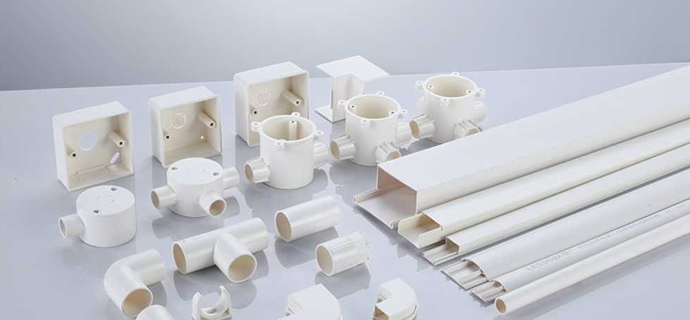
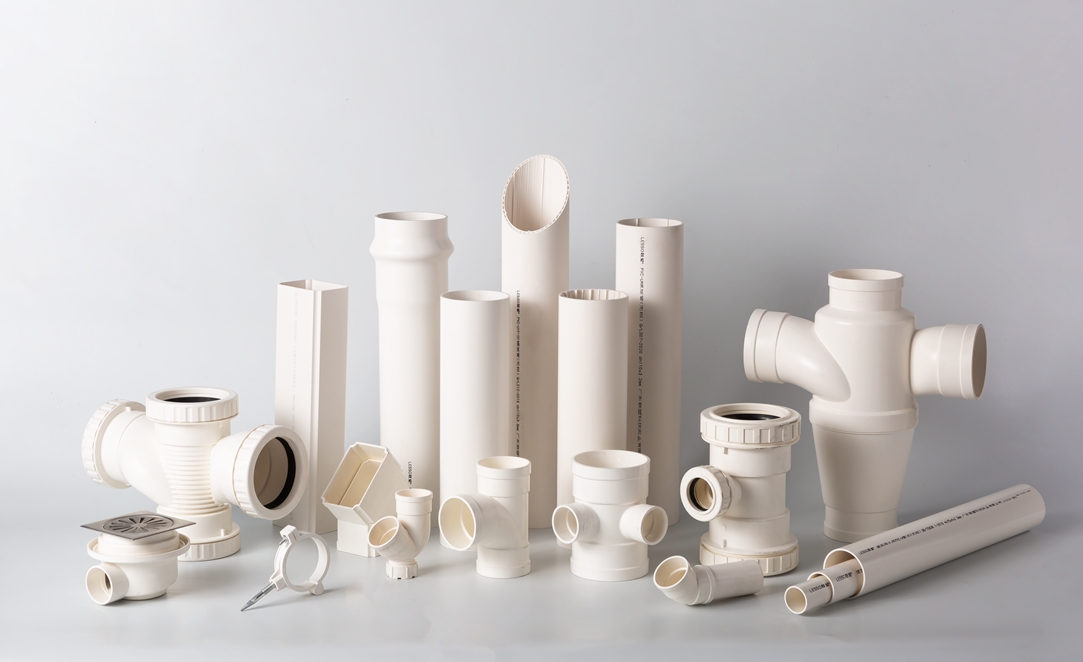
PVC has long dominated applications such as building drainage, electrical conduit, and water supply pipes.
View more
UPVC
02
UPVC
To enhance the rigidity of PVC, unplasticized polyvinyl chloride (UPVC) was developed.

By omitting plasticizers, UPVC achieves higher strength and pressure resistance while maintaining excellent corrosion resistance and improved hygiene ratings. However, UPVC sacrifices some flexibility and generally operates within a temperature range of 0-60°C.

UPVC is commonly used in cold and hot water supply systems, wastewater treatment, and industrial piping.
View more
PE
03
PE
In the flexible pipe sector, PE (polyethylene) is another major material category, classified by density into HDPE, MDPE, and LDPE.

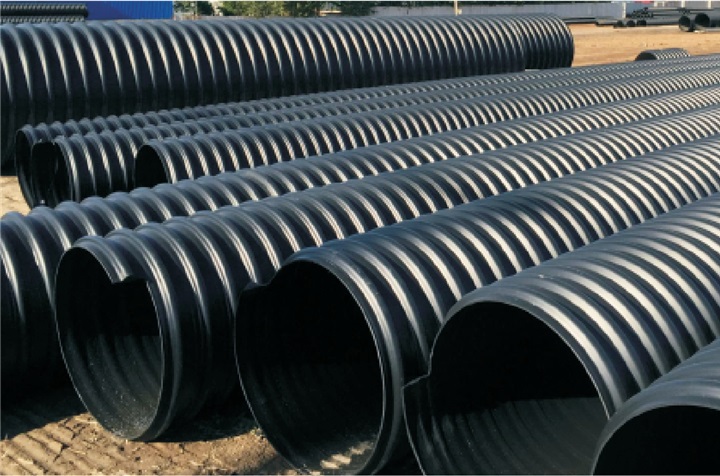
PE plastic tube pipes offer excellent flexibility, outstanding low-temperature resistance, chemical stability, and non-toxicity. They can be joined through heat fusion or electrofusion, with a wide temperature range of -40°C to 80°C.

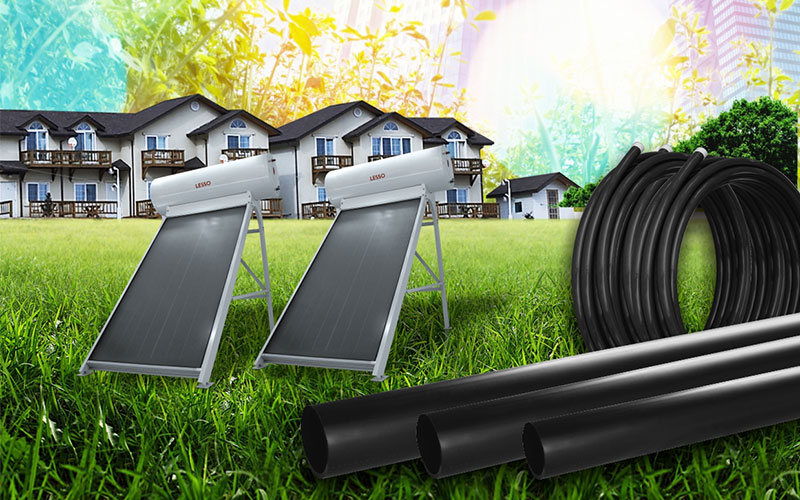
These make PE an ideal choice for municipal water supply and drainage, gas distribution, and agricultural irrigation.
View more
PE-RT
04
PE-RT
Through specialized molecular structure design, PE-RT retains all the excellent flexibility and heat-fusion capabilities of PE while significantly increasing the long-term heat resistance temperature to 95°C. Its cost is slightly higher than that of standard PE pipes.

PE-RT pipes are ideal for floor heating systems and cold and hot water supply applications.
View more
PP-R
05
PP-R
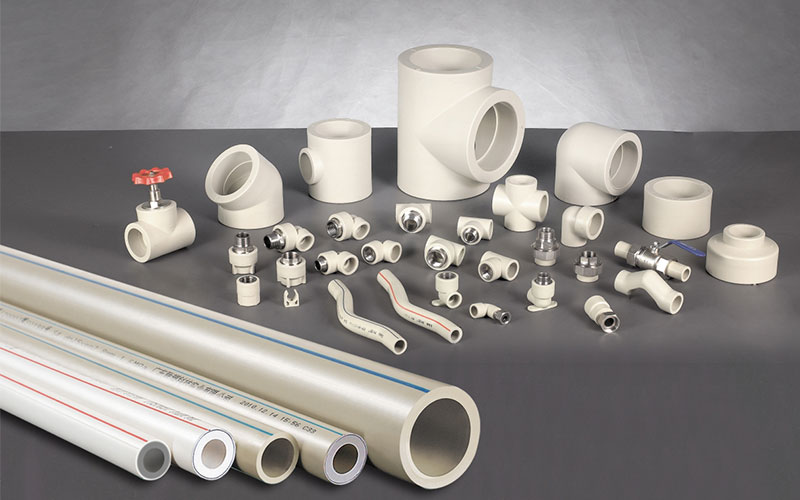
For applications requiring higher thermal stability, PP-R (Polypropylene Random Copolymer) is currently the mainstream for cold and hot water, heating, and air conditioning systems.

It offers excellent heat resistance (long-term 70°C, short-term 95°C), corrosion resistance, and scale resistance. The heat-fusion joining method eliminates the risk of leakage at joints.

However, PP-R becomes brittle at low temperatures, requiring careful installation below 5°C, and its high thermal expansion coefficient necessitates compensation for expansion in long runs.
View more
Aluminum-plastic composite pipe
06
Aluminum-plastic composite pipe
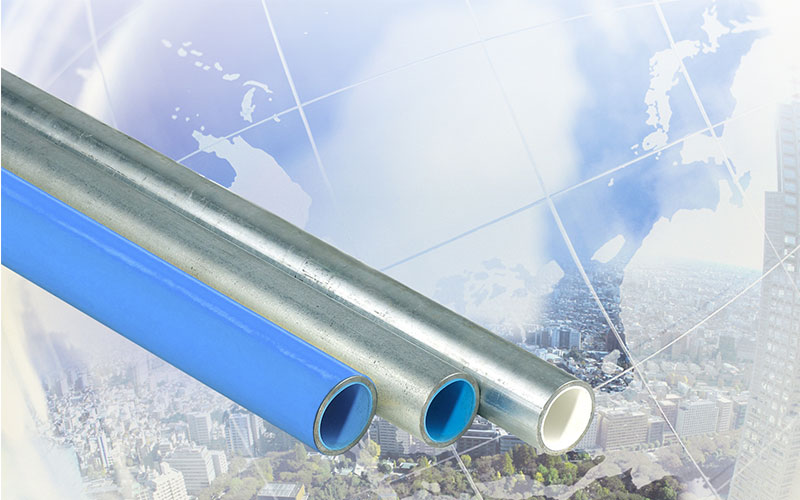
Combining the advantages of metal and plastic, this pipe features a five-layer composite structure: "plastic-adhesive-aluminum-adhesive-plastic."

The middle aluminum layer provides excellent strength, pressure resistance, and shape retention, while the inner and outer plastic layers ensure corrosion resistance and hygiene.

Aluminum-plastic composite pipes are commonly used in heating systems, hot plastic water pipes, and gas distribution, where shape retention is critical.
View more
Steel-plastic composite pipe
07
Steel-plastic composite pipe
Steel-plastic composite pipes consist of a metal steel pipe as the base, coated internally with a plastic layer such as polyethylene or epoxy resin powder.

They maximally combine the high mechanical strength and pressure resistance of steel pipes with the corrosion and scale resistance of plastic layers. However, they are heavy and require relatively complex installation and connection techniques.

Steel-plastic composite pipes are ideal for conveying high-pressure, high-temperature, or corrosive media, such as in fire protection, wastewater transport, and optical cable protection.
View more
Application Scenarios of Plastic Pipes

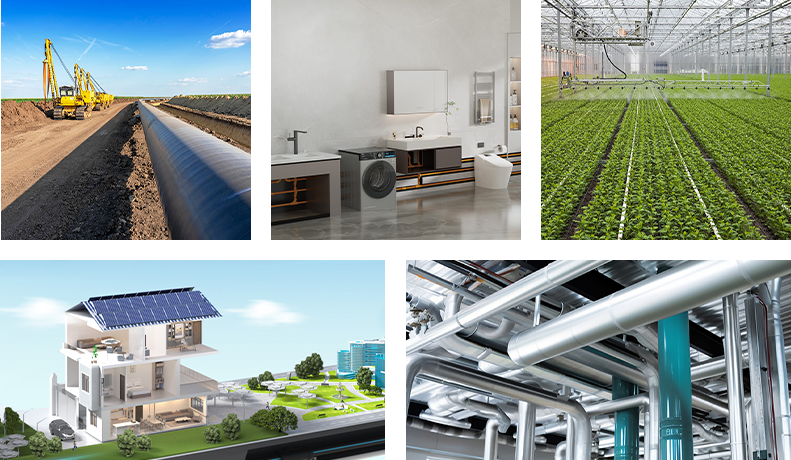
Plastic pipes serve diverse needs, from homes to farms and industries.

1. Residential buildings
2. Municipal engineering
3. Home improvement
4. Agricultural irrigation
5. Industrial transportation
Read More
FAQs
What is the lifespan of plastic tube pipes?
LESSO plastic water pipes have a lifespan of over 50 years under proper use, offering excellent environmental adaptability and strong chemical corrosion resistance.
What are the advantages of plastic water pipes compared to metal pipes?
Plastic water pipes are corrosion-resistant, lightweight, flexible, and cost-effective. They help maintain water quality and reduce installation complexity. Additionally, plastic water pipes have lower thermal conductivity, minimizing heat loss in the hot water supply and preventing condensation on cold water pipes.
What are the connection methods for plastic pipes?
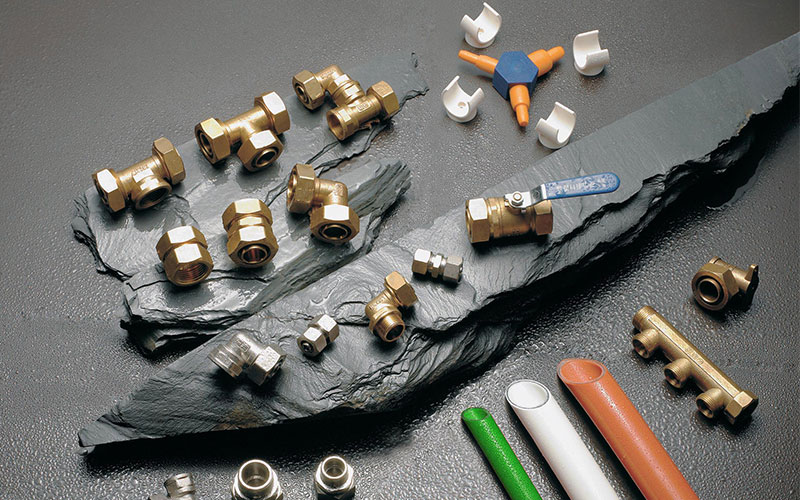
Plastic water pipes can be connected using methods such as solvent bonding, heat fusion, electrofusion, threaded connections, and compression fittings. The connection method depends on the pipe material.
Online Message

*Name:

*TEL:

*Country:

*State/Province:

*Detailed requirement:

Retail Business(Search for "LESSO" distributors for renovationpurchases)
Agency Franchise (Store Franchising)
Engineering Projects(Municipal/Construction/Agriculture/Industrialand Commercial/Firefighting/Gas,etc.)
Others

*Product/Category:

Pipeline Products
Home Products
Building Materials Products
Home Decoration Products

TEL

Service

TOP